Ladies Walk
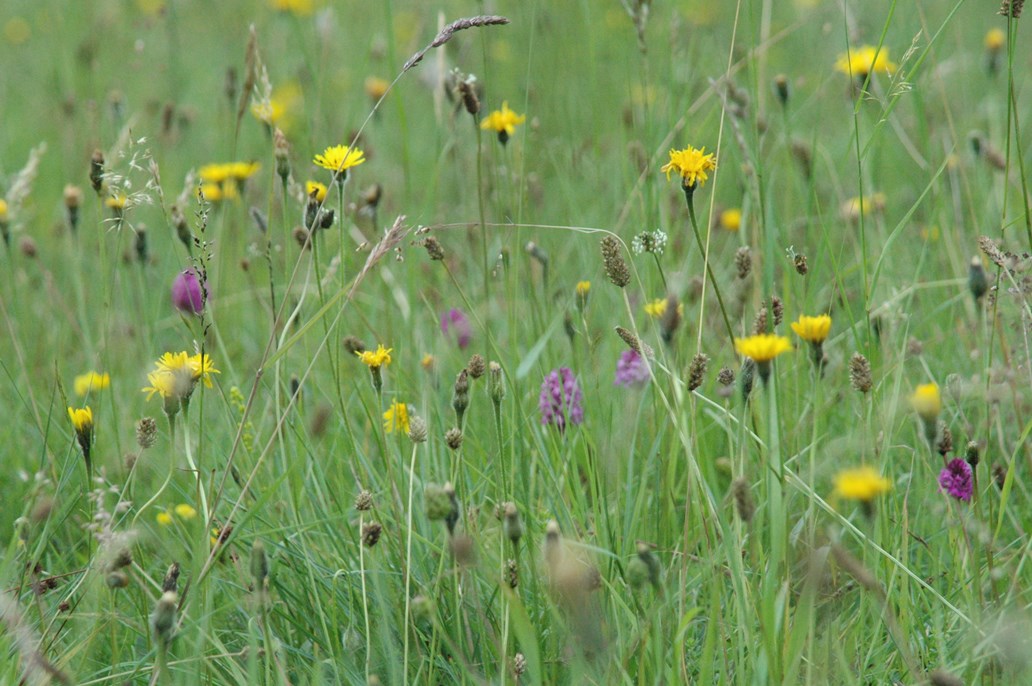
Ladies Walk is located on the south eastern edge of Andover in the north of the borough, and comprises of the three meadows north west of the Ladies Walk footpath - between the entrance at Old Winton Road and Micheldever Road. The site is steep to moderately sloping, levelling out towards the north. Existing habitats suggest that there is great potential for a wide range of plant and insect species, common to this type of unimproved grassland.
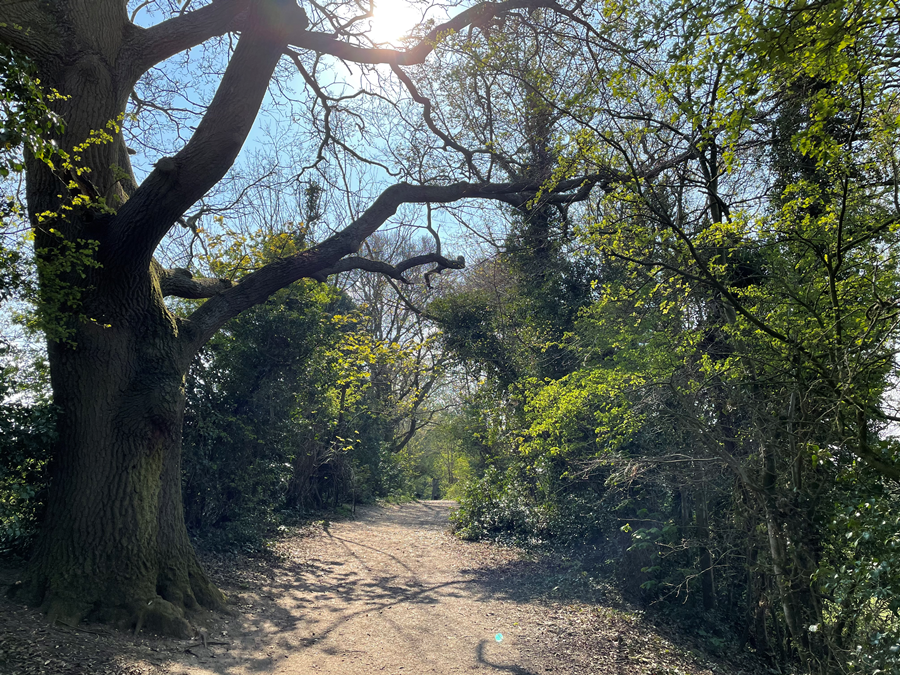
The main path bordering the site known as the Ladies Walk, was laid out by the Enclosure Award Commissioners in conjunction with the Corporation of Andover in 1785. The ancient common field system of agriculture originally comprised of three open fields. The Enclosures Act later designated this as the Andover South Field which stretched to the Picket Twenty Road. Later this was again divided into the more recognisable fields we see today. The walk itself forms part of the pre-roman track known as the Mark Way and in 1863 was planted with 121 trees to commemorate the wedding of His Royal Highness The Prince Of Wales (later King Edward VII) to Princess Alexandra of Denmark. Of the original 121 trees the remaining trees largely comprise of horse chestnut, beech, oak and sycamore.
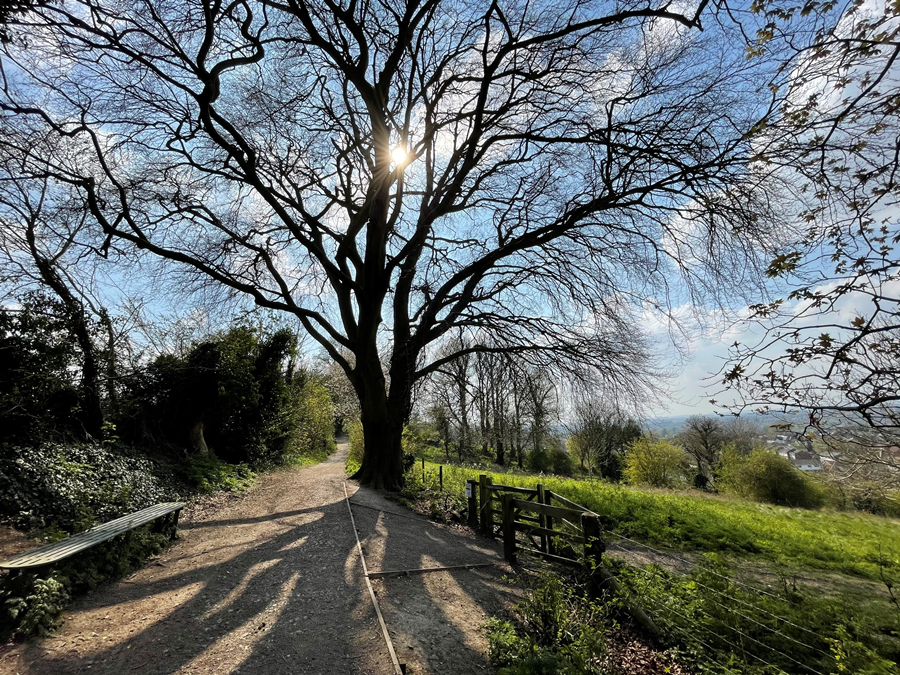
The site was purchased in 1984. Management began in November 2011 for its nature conservation value, under guidance from Natural England and its Higher Level Stewardship Scheme. Scrub clearance is continually carried out by our Environmental Services, The Anton River Conservation Association (TARCA) and local residents, to increase chalk grassland and help to preserve this valuable natural habitat. Ladies Walk Downs is designated a Site of Importance for Nature Conservation (SINC) largley due to the presence of Quaking Grass, Briza media. Hazel Dormouse presence was confirmed in the hedgerows along Ladies Walk in 2022. Ongoing management including planting, coppicing, and hedge laying between the meadows and Ladies Walk, has helped to develop a healthy, well-connected hedgerow system. This work has also helped to enhance open views across Andover from the walk.
Cattle graze in the meadows to improve their value for wildlife. The use of low density grazing allows the grass to develop at varying heights, which is beneficial to many wildflowers that require increased light and space in order to grow. Trampling of the ground by cattle also allows the seed from many of the wild flowers to be successfully transferred into the soil. Both of which are not achievable using conventional mowing techniques.